Why Hand Wash Car Detailing Beats Automated Car Washes Every Time
I have spent more weekends than I can count elbow-deep in suds, working on cars that range from daily drivers to weekend projects. Over the years, one lesson has stuck with me: the difference between a car that looks clean and a car that is truly cared for comes down to how you wash it. Automated car washes are convenient, no doubt. But if you care about your paint, your finish, and the long-term value of your vehicle, hand wash car detailing is the only path worth taking.
Let me be clear about what I mean. A hand wash car detailing service is not just a bucket of water and a sponge. It is a systematic, careful process that uses the right tools and products at every stage. It respects the fact that your car's clear coat is a delicate surface, easily scratched and dulled by the wrong approach. And in a place like Chula Vista or the South Bay, where the sun beats down hard and the air carries dust and salt, that level of care matters even more.
What Makes a Hand Wash Different
The first thing you notice when you watch a professional hand wash is the absence of those spinning nylon brushes and recycled water. Automated washes rely on friction and chemicals to strip dirt fast. But that same friction drags grit across your paint, leaving micro-scratches visible in the right light. A hand wash, done right, uses a two-bucket method, fresh water, and a pH-neutral soap that lifts dirt without stripping wax or sealant. Every pass of a microfiber towel is deliberate. You feel the surface, you do not just spray and forget.
That is also why true hand wash car detailing includes a pre-soak with a pressure washer, but at the right distance and angle. You knock off loose dirt before any towel touches the panel. Then you work from the top down, using a foam cannon to apply a thick layer of soap that clings to vertical surfaces. The foam carries the cleaning agents, letting them dwell and break down grime without aggressive scrubbing.
The Tools That Make the Difference
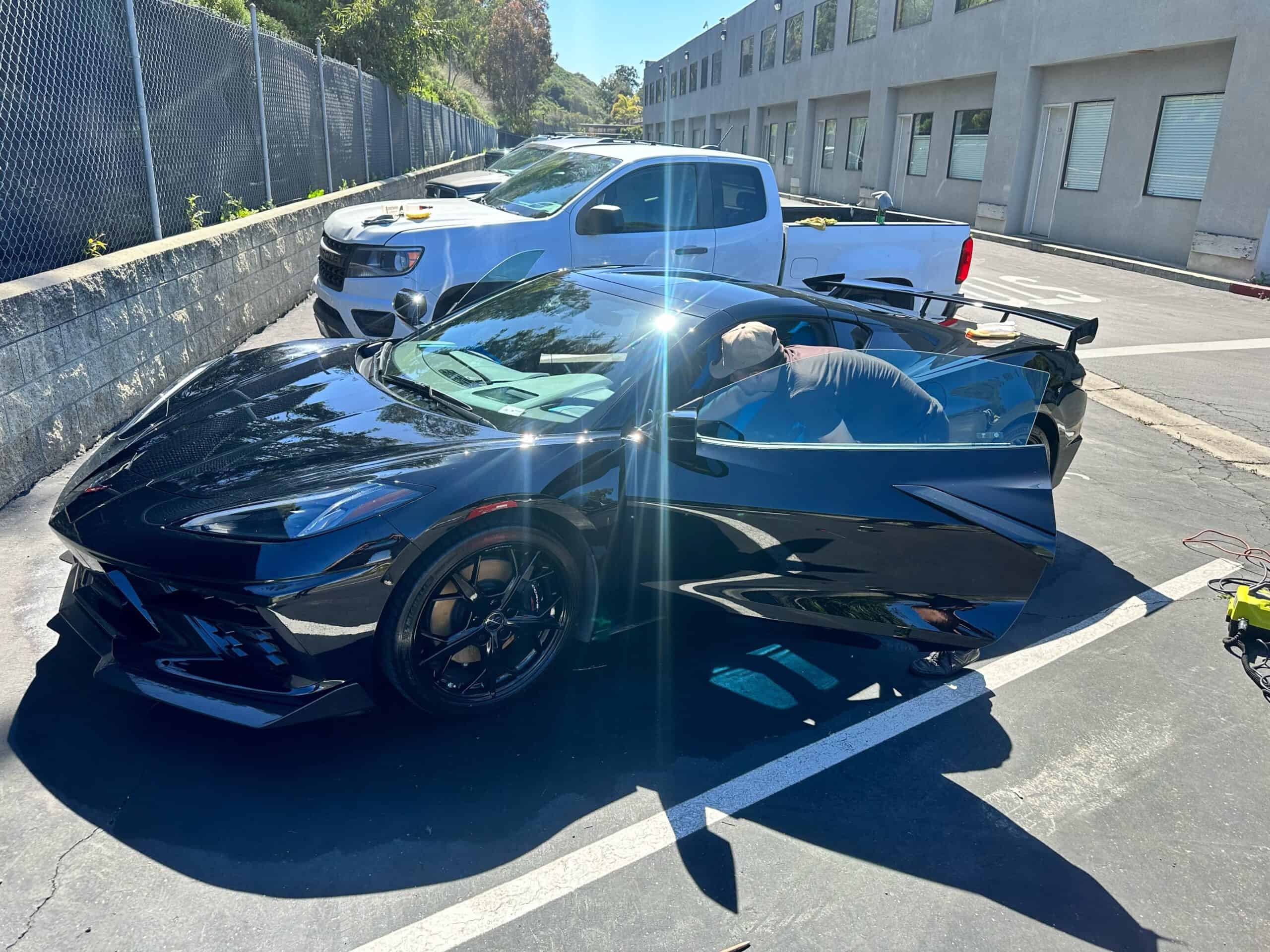
If you open the hatch of a serious detailer's vehicle, you will see a toolkit that looks nothing like a car wash bay. There is an air compressor for blowing water out of cracks and crevices. There are stacks of microfiber towels, sorted by use, never reused on paint after touching wheels or glass. There is a dedicated wheel cleaner that cuts through brake dust without harming your rims. And there is a glass cleaner that leaves no streaks, even in direct sunlight.
For the body work, the process often involves a clay bar to remove bonded contaminants that soap cannot touch. You run your hand over a clean panel and feel tiny bumps. That is industrial fallout, tree sap, or road film. A clay bar, lubricated with a detail spray, pulls those particles off without scratching. After that, you move to an orbital polisher with the right pad and compound. That is paint correction territory. It removes light scratches and swirl marks, restoring depth and clarity before you lock it in with a wax sealant or ceramic coating.
Why Ceramic Coating Needs a Proper Hand Wash
Ceramic coating has become popular for good reason. It creates a hard, hydrophobic layer that makes future cleaning easier and adds UV protection. But here is the catch: a ceramic coating is only as good as the surface it bonds to. If you apply it over a dirty or etched clear coat, you seal in those flaws. And once applied, maintaining it requires careful washing. Automated brushes and harsh detergents can degrade the coating over time. A hand wash car detailing process that uses pH-neutral soap and soft microfiber towels preserves that coating, letting it perform for years instead of months.
I have seen coatings fail within a year because the owner ran it through a tunnel wash every two weeks. The same coating, maintained with proper hand washing, still beads water like new after three years. That is the difference between buying a product and investing in a process.
The Practical Side: Mobile Detailing in Chula Vista and the South Bay
Living and working in Chula Vista and the surrounding South Bay area, I have come to appreciate the convenience of mobile detailing. A veteran-owned mobile service brings the whole setup to your driveway or parking lot. That means no waiting in line, no driving through a tunnel of spinning cloth, and no sitting in a wet car afterward. The detailer sets up their pressure washer, foam cannon, and water supply on-site. They work in the shade of your own carport or under a pop-up tent. It is personal, and it is thorough.

There is also the matter of water usage. Many automated washes recycle water, which sounds green, but that recycled water picks up grit and chemicals from previous cars. A mobile detailer brings fresh water and controls every drop. They also capture runoff responsibly, keeping soap and wax out of storm drains. In a region where water conservation matters, that is a real consideration.
Beyond the Wash: What Comes Next
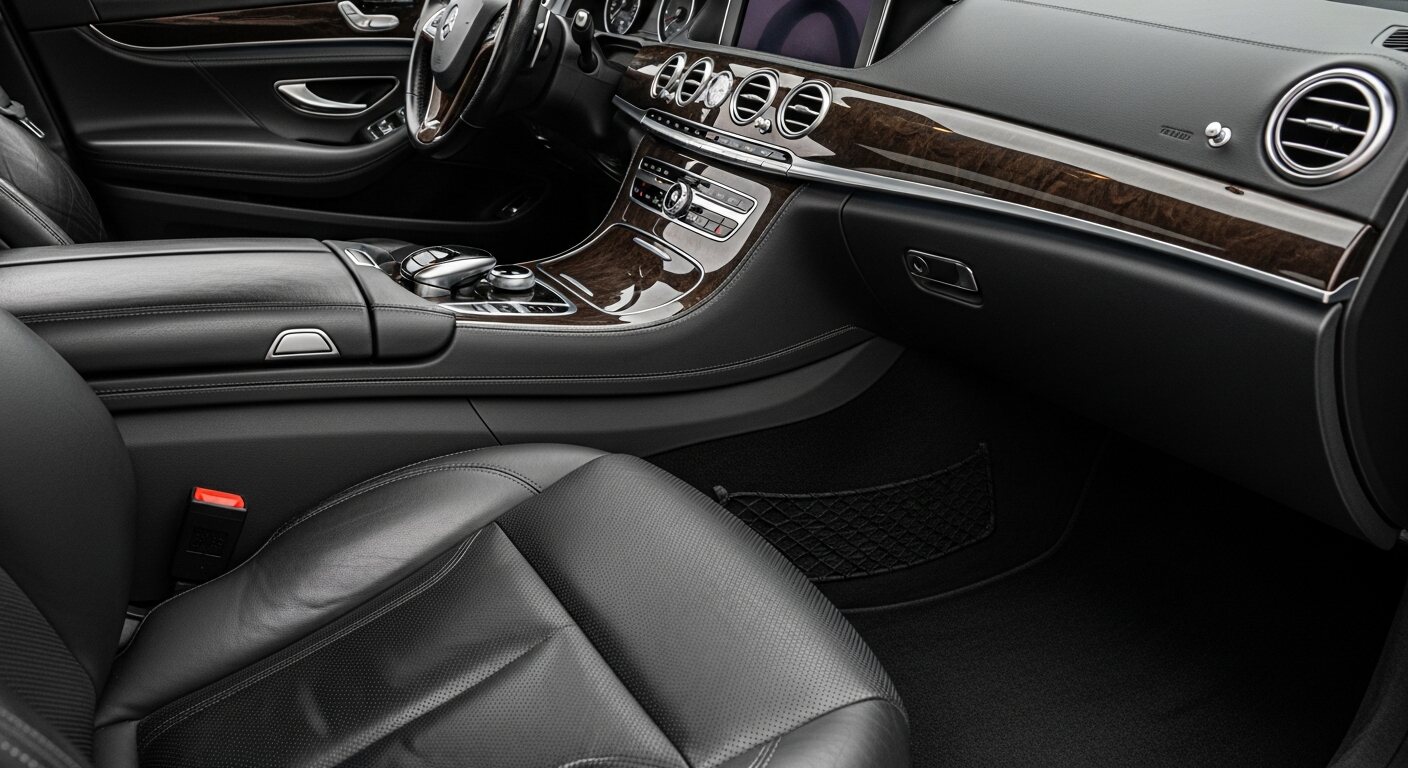
A full hand wash is just the opening act. After the car is clean and dry, the real work begins. The detailer will often apply a wax sealant or a spray sealant for a glossy finish that lasts weeks. They will dress the tires with tire shine, condition leather seats with a dedicated leather conditioner, and apply a UV protectant to surfaces that see the most sun. They might use a water spot remover on glass and chrome to leave everything crystal clear.
Each of these steps builds on the last. You cannot get a good sealant bond on a dirty surface. You cannot get a streak-free window if the glass still has wax residue. And you cannot get a deep, wet shine on tires if you have not scrubbed the sidewalls with a proper wheel cleaner first. The order matters. The tools matter. And the person doing the work has to have the judgment to adjust when conditions change.
When a Hand Wash Is Not Enough
Let me be honest: not every car needs a full hand wash detailing every time. If you just drove through a rainstorm and your car is lightly dusty, a quick rinse and a detail spray wipe-down might be enough. But if you want to remove bonded contaminants, restore clarity, or protect a new ceramic coating, there is no substitute for a thorough hand wash. The same goes for paint correction. You cannot fix swirl marks with a drive-through wash. You need an orbital polisher, the right compound, and a patient hand.
So the question is not whether hand washing is better. It is whether you value the finish enough to invest the time or pay someone who will. For most people who care about their car, the answer is clear. They schedule a hand wash car detailing session every few months, and they see the difference every time they walk up to their car in the sun.
Final Thoughts
I have washed cars in blazing heat and in the cool of a San Diego evening. I have seen what happens when you skip steps and what happens when you do it right. The pride of a properly detailed car is not about vanity. It is about respect for the machine and the work that went into it. Whether you are a collector with a vintage ride or a commuter who just wants to keep your car looking new, the choice of how you wash it matters. Hand wash car detailing is not a luxury. It is the baseline for anyone who wants their car to last.
If you are in Chula Vista or the South Bay and you want that level of care, look for a detailer who works with pH-neutral soap, fresh microfiber towels, and a method that treats every panel like it matters. That is the kind of service that keeps a car looking good for years, not just until the next rain.